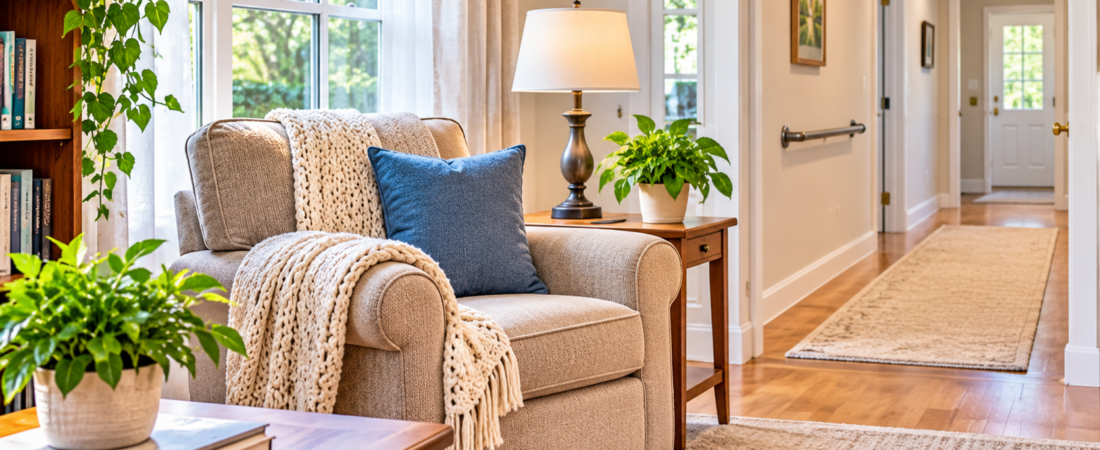
As our parents grow older, helping them remain safe and comfortable at home becomes increasingly important. Finding practical home safety tips for aging parents can help families identify everyday hazards and make thoughtful improvements. Whether our loved ones live independently or share a home with family, even small changes can make a meaningful difference in their safety and independence.
Falls, poor lighting, slippery floors, and difficult-to-reach household items can create challenges that may not have been noticeable just a few years ago. Fortunately, improving home safety doesn’t always require expensive renovations or major changes.
Many practical improvements are simple, affordable, and easy to incorporate into everyday life.
In this guide, we’ll explore 10 simple ways to make your home safer for aging parents, focusing on reducing common household hazards, improving accessibility, and helping loved ones maintain their independence.
Our goal is to help families create a safer, more comfortable home environment while preserving the dignity and independence of the people they love.
1. Improve Home Lighting for Aging Parents
Good lighting is one of the simplest ways to help make a home safer for aging parents. As we get older, changes in vision can make it more difficult to see obstacles, navigate dark hallways, or recognize changes in floor surfaces.
Improving lighting throughout the home can help reduce these challenges and make everyday activities easier and more comfortable.
Simple Ways to Improve Home Lighting
- Brighten Hallways and Stairways: Make sure frequently used walking areas have adequate lighting, especially near steps and changes in floor level.
- Install Motion-Activated Night Lights: Consider adding night lights in bedrooms, bathrooms, and hallways to improve visibility during nighttime trips.
- Keep Light Switches Accessible: Make sure switches are easy to reach near doorways, beds, and other commonly used areas.
- Replace Dim or Burned-Out Bulbs: Check lighting regularly and use bulbs that provide comfortable, consistent illumination.
- Reduce Glare and Harsh Shadows: Use lampshades, indirect lighting, or adjustable fixtures to improve visibility without creating uncomfortable glare.
Helpful Home Safety Tip
Pay special attention to the path between the bedroom and bathroom. This is an area where someone may need to walk during the night while still feeling sleepy or disoriented.
Motion-activated lighting can be especially helpful because it provides illumination without requiring someone to search for a light switch.
Explore Helpful Lighting Solutions
For additional ideas, visit our Fall Prevention page, where we discuss practical ways to reduce common household hazards, including lighting improvements.
2. Remove Tripping Hazards and Clutter for Aging Parents
Everyday household items can become unexpected tripping hazards, especially for older adults who may experience changes in balance, vision, or mobility.
Loose rugs, electrical cords, cluttered walkways, and uneven flooring can make moving around the home more difficult. Taking time to identify and address these hazards can help create a safer environment without requiring major home improvements.
Simple Ways to Reduce Tripping Hazards
- Keep Walkways Clear: Remove shoes, boxes, baskets, and other items from hallways, stairways, and frequently used walking areas.
- Secure Area Rugs: Consider removing loose rugs or using appropriate non-slip rug pads to help keep them in place.
- Organize Electrical Cords: Keep cords away from walking paths and secure them along walls or behind furniture when possible.
- Check for Uneven Flooring: Look for loose carpeting, raised floor edges, or damaged flooring that could create tripping hazards.
- Arrange Furniture for Easy Movement: Leave enough space between furniture for comfortable walking, especially when using a cane or walker.
Helpful Home Safety Tip
Try walking through the home while paying attention to areas that may be difficult to navigate.
Look especially closely at transitions between rooms, narrow hallways, and frequently used paths between the bedroom, bathroom, and kitchen.
Small adjustments, such as relocating furniture or removing an unnecessary rug, can make everyday movement easier.
Explore Helpful Fall Prevention Solutions
For additional ideas, visit our Fall Prevention page, where we feature practical home safety recommendations, including non-slip stair treads and rug pads.
3. Improve Bathroom Safety for Aging Parents
The bathroom is one of the most important areas to consider when improving home safety for aging parents. Wet floors, slippery surfaces, and the need to step in and out of a bathtub or shower can create challenges for older adults.
Fortunately, several practical improvements can make everyday bathroom activities safer and more comfortable while helping loved ones maintain their independence.
Simple Ways to Improve Bathroom Safety
- Install Grab Bars: Properly installed grab bars near toilets, bathtubs, and showers can provide additional support when standing, sitting, or moving between positions.
- Use Non-Slip Bath Mats: Choose bath mats designed to provide traction on wet surfaces, and make sure they are appropriate for the type of bathtub or shower floor.
- Consider a Shower Chair: A stable shower chair can make bathing easier for someone who has difficulty standing for extended periods.
- Improve Toilet Accessibility: A properly fitted raised toilet seat or toilet safety frame may help someone who struggles to sit down or stand up.
- Keep Bathroom Essentials Within Reach: Arrange towels, soap, and other frequently used items so they can be accessed without excessive bending, stretching, or reaching.
- Maintain Good Lighting: Make sure the bathroom is well-lit, particularly for nighttime visits.
Helpful Home Safety Tip
Grab bars should be securely installed according to the manufacturer’s instructions and anchored to appropriate structural supports.
Towel racks and other bathroom fixtures are not designed to replace properly installed grab bars.
For anyone experiencing significant balance or mobility difficulties, an occupational therapist can help identify bathroom modifications that fit their individual needs.
Explore Helpful Bathroom Safety Solutions
For additional ideas, visit our Bathroom Safety page, where we feature practical recommendations such as grab bars, shower chairs, non-slip bathtub mats, and other bathroom accessibility products.
4. Improve Stair and Entryway Safety for Aging Parents
Stairs, steps, and entryways are important areas to evaluate when making a home safer for aging parents. Uneven surfaces, poor lighting, and the absence of proper handrails can make entering, leaving, or moving between levels of a home more difficult.
A few thoughtful improvements can help make these areas easier to navigate while supporting greater confidence and independence.
Simple Ways to Improve Stair and Entryway Safety
- Check Handrails: Make sure stairways have sturdy, securely installed handrails that are easy to grip. Consider adding a second handrail where appropriate.
- Improve Stairway Lighting: Provide adequate lighting at both the top and bottom of stairways, with switches that are easy to reach.
- Keep Steps Clear: Remove shoes, packages, decorations, and other objects that could create tripping hazards.
- Improve Stair Traction: Consider properly installed, slip-resistant stair surfaces or treads that are suitable for the existing flooring.
- Make Step Edges Easier to See: Contrasting colors or appropriate stair-edge markings can help make individual steps more visible.
- Evaluate Entryway Accessibility: Check for uneven thresholds, damaged walkways, or steps that may be difficult to navigate.
- Consider an Entry Ramp When Appropriate: For someone using a wheelchair, walker, or other mobility aid, a properly designed and installed ramp may improve access to the home.
Helpful Home Safety Tip
Pay attention to how your loved one enters and leaves the home, particularly when carrying groceries or navigating steps in poor weather.
If stairs have become difficult or unsafe to use, consider consulting an occupational therapist or qualified accessibility professional before making major changes.
Portable and modular ramps must be selected with the correct slope, weight capacity, landing space, and installation requirements in mind. Not every ramp is suitable for every doorway or mobility device.
Explore Helpful Entryway and Fall Prevention Solutions
Visit our Fall Prevention page for additional recommendations, including stair traction products, handrails, and entry ramps that may help improve home accessibility.
5. Make Everyday Items Easier to Reach for Aging Parents
Everyday activities such as preparing meals, putting away groceries, and retrieving household supplies can become more challenging as we age.
Items stored on high shelves or in hard-to-reach cabinets may require stretching, bending, or climbing onto a step stool. These movements can increase the risk of losing balance, especially for someone experiencing changes in strength or mobility.
Making frequently used items easier to access is a simple way to improve home safety while helping aging parents maintain their independence.
Simple Ways to Improve Everyday Accessibility
- Keep Frequently Used Items Within Easy Reach: Store everyday dishes, clothing, toiletries, and household supplies at comfortable heights.
- Avoid Unnecessary Climbing: Move commonly used items from high shelves to accessible cabinets or drawers to reduce the need for step stools.
- Organize Kitchen Cabinets: Arrange cookware, dishes, and pantry items so they can be retrieved without excessive bending or stretching.
- Consider Reacher Tools: A lightweight reacher grabber may help retrieve certain lightweight objects without bending or reaching overhead.
- Improve Cabinet Accessibility: Pull-out cabinet organizers can make items stored toward the back of cabinets easier to access.
- Keep Essential Items Nearby: Place frequently used items such as glasses, phones, medications, and water within comfortable reach of beds and favorite seating areas.
Helpful Home Safety Tip
Walk through the kitchen, bedroom, and bathroom with your loved one and identify items they use every day.
Consider whether those items can be reached comfortably while standing or sitting without stretching, twisting, or losing balance.
Reacher tools can be useful for lightweight objects, but they should not be used to lift heavy or breakable items or as a substitute for proper balance support.
Explore Helpful Home Accessibility Solutions
Visit our Everyday Home Accessibility page for practical recommendations, including reacher grabbers and other products designed to make everyday household activities easier.
6. Make the Bedroom Safer and More Comfortable
A safe and comfortable bedroom can make everyday routines easier for aging parents, particularly when getting in and out of bed or moving around during the night.
Poor lighting, cluttered walkways, and furniture that is difficult to use can create unnecessary challenges. Making a few thoughtful adjustments can help improve bedroom safety while supporting comfort and independence.
Simple Ways to Improve Bedroom Safety
- Keep Walkways Clear: Make sure the path between the bed, doorway, and bathroom is free from shoes, cords, rugs, and other obstacles.
- Provide Convenient Nighttime Lighting: Place a bedside lamp within easy reach or consider motion-activated night lights to illuminate nighttime walking paths.
- Check Bed Height: Make sure the bed is at a comfortable height for getting in and out without excessive effort or difficulty.
- Keep Essentials Within Reach: Place glasses, a phone, water, and other frequently used items on a stable bedside table.
- Choose Stable Bedroom Furniture: Make sure nightstands, dressers, and other furniture are secure and do not create tipping or tripping hazards.
- Consider Bed Mobility Needs: If getting in and out of bed has become difficult, consult a healthcare professional or occupational therapist about appropriate assistance or equipment.
Helpful Home Safety Tip
Pay particular attention to the route between the bed and bathroom. This path should be easy to navigate, adequately illuminated, and free from obstacles.
Although bed rails may seem like a helpful solution, they are not appropriate for everyone. Certain bed rails can create serious entrapment or injury risks if improperly selected or installed. A qualified professional can help determine whether one is suitable for an individual’s needs.
Explore Helpful Bedroom Safety Solutions
Visit our Mobility & Independence page for additional ideas and products that may help make everyday movement around the home easier.
7. Choose Supportive and Comfortable Footwear
The shoes we wear around the house can have a greater impact on safety than many people realize. Loose slippers, worn-out soles, and walking in socks on slippery floors can increase the risk of slipping or losing balance.
For aging parents, choosing comfortable, properly fitting footwear is a simple way to support safer movement throughout the home.
Simple Ways to Improve Footwear Safety
- Choose Shoes That Fit Properly: Look for footwear that fits securely without being too tight or too loose.
- Look for Slip-Resistant Soles: Shoes with good traction can help reduce slipping on smooth household surfaces.
- Avoid Loose or Backless Slippers: Footwear that easily slips off the heel may increase the risk of tripping.
- Check for Worn-Out Soles: Replace shoes when the soles become excessively worn or no longer provide adequate traction.
- Consider Supportive Indoor Shoes: Comfortable shoes with a secure heel and stable sole may be a better choice than walking in socks or loose slippers.
- Keep Frequently Used Shoes Accessible: Store everyday footwear somewhere easy to reach without excessive bending or stretching.
Helpful Home Safety Tip
Encourage your loved one to wear properly fitting, supportive footwear even when spending the day at home.
Pay attention to whether their shoes stay securely in place while walking and whether the soles provide appropriate traction on the home’s flooring.
If someone frequently trips, shuffles, or has difficulty walking comfortably, a healthcare professional can help evaluate possible causes and recommend appropriate footwear or other support.
Explore More Fall Prevention Tips
Visit our Fall Prevention page for additional ways to reduce common household hazards and create safer walking areas throughout the home.
8. Make Everyday Movement Easier and Safer
Moving around the home should feel comfortable and manageable. However, changes in strength, balance, and mobility can make everyday activities such as standing up from a chair, walking between rooms, or carrying household items more challenging.
Making thoughtful adjustments to the home can help aging parents move more safely while maintaining as much independence as possible.
Simple Ways to Improve Everyday Mobility
- Keep Walking Paths Open: Arrange furniture to provide enough space for comfortable movement, especially when using a cane or walker.
- Choose Stable Seating: Chairs with sturdy armrests and appropriate seat heights can make sitting down and standing up easier.
- Avoid Unstable Furniture: Make sure tables, chairs, and other furniture are secure and won’t shift unexpectedly.
- Consider Appropriate Mobility Aids: Canes and walkers may provide additional support when properly selected, fitted, and used.
- Reduce the Need to Carry Heavy Items: Keep frequently used supplies near where they are needed and consider safer ways to transport household items.
- Make Doorways Easier to Navigate: Check that doors open freely and that thresholds do not create unnecessary obstacles.
Helpful Home Safety Tip
Pay attention to everyday movements that seem increasingly difficult, such as standing from a favorite chair or walking across a room.
If your loved one is experiencing balance problems or difficulty walking, a healthcare professional or physical therapist can help evaluate their needs and recommend appropriate support.
Mobility aids should be properly fitted, and users should receive guidance on safe use. The wrong equipment or an improper fit can create additional safety concerns.
Explore Helpful Mobility Solutions
Visit our Mobility & Independence page for additional information about products such as canes, walkers, and other tools that may help support everyday movement.
9. Prepare for Emergencies and Keep Important Information Accessible
Even with thoughtful home safety improvements, unexpected situations can still happen. Having a simple emergency plan can help aging parents feel more confident and make it easier for family members or caregivers to respond when assistance is needed.
Preparing for emergencies doesn’t have to be complicated. A few practical steps can make important information and communication tools easier to access.
Simple Ways to Improve Emergency Preparedness
- Keep Emergency Contacts Accessible: Maintain an updated list of family members, caregivers, healthcare providers, and other important contacts.
- Keep a Phone Within Reach: Make sure a charged phone is easily accessible, particularly in the bedroom and other frequently used areas.
- Consider a Medical Alert System: For someone living alone or at increased risk of falling, a medical alert device may provide another way to request assistance.
- Maintain an Updated Medication List: Keep a current list of medications, dosages, allergies, and relevant medical information somewhere accessible to the person and appropriate caregivers.
- Make House Numbers Visible: Ensure the home’s address is clearly visible from the street to help emergency responders locate the property.
- Check Smoke and Carbon Monoxide Alarms: Test alarms according to manufacturer instructions and replace batteries or devices when needed.
- Create a Simple Emergency Plan: Discuss what to do during a fall, fire, power outage, or other emergency.
Helpful Home Safety Tip
Talk with your loved one about how they would contact someone if they fell or needed assistance while alone.
Make sure they know how to call 911 in an emergency and that important contact information is readily available.
Consider establishing a regular check-in routine with family members or trusted friends, especially for someone who lives independently.
Supporting Safety and Independence
Emergency preparedness is about more than responding to unexpected situations. Having a plan in place can provide peace of mind for aging parents and their families while helping loved ones continue living independently with greater confidence.
10. Review Home Safety Regularly and Involve Your Loved One
Creating a safer home for aging parents isn’t something that needs to happen all at once. Small improvements made over time can help address changing needs while allowing loved ones to remain comfortable and independent.
As mobility, vision, strength, and everyday routines change, it’s helpful to revisit home safety and make adjustments when necessary.
Most importantly, involve your loved one in the process. Their comfort, preferences, and independence should remain central to every decision.
Simple Ways to Maintain a Safer Home
- Perform Regular Home Safety Checks: Walk through the home periodically and look for new tripping hazards, damaged flooring, poor lighting, or other potential concerns.
- Ask About Everyday Challenges: Encourage your loved one to share which activities have become more difficult or uncomfortable.
- Address Small Problems Early: Repair loose handrails, replace burned-out light bulbs, and remove clutter before these issues create larger safety concerns.
- Review Mobility Needs: Pay attention to changes in walking, balance, or the ability to perform everyday tasks.
- Make Improvements Together: Include your loved one when choosing home modifications or accessibility products.
- Seek Professional Guidance When Needed: An occupational therapist or other qualified healthcare professional can help identify practical solutions based on individual needs.
Helpful Home Safety Tip
Rather than making changes without discussing them, ask your loved one which areas of their home they find most challenging.
Something as simple as moving a frequently used item, improving lighting, or rearranging furniture may make a meaningful difference.
Working together helps ensure that safety improvements support independence rather than unnecessarily limiting it.
Creating a Home That Supports Independence
The goal of home safety isn’t to eliminate every possible risk or change everything about a familiar living space.
It’s to create an environment where aging parents can continue enjoying their daily routines with greater comfort, confidence, and peace of mind.
Thoughtful improvements, regular conversations, and a willingness to adapt can help make that possible.
Additional Fall Prevention Resources
For more guidance on reducing fall risks, the Centers for Disease Control and Prevention (CDC) provides helpful information about home safety, improving balance, and preventing falls among older adults.
Visit the CDC’s Fall Prevention Resources to learn more about practical steps families can take to support safer, more independent living.
Final Thoughts: Small Changes Can Make a Big Difference
Helping aging parents stay safe at home doesn’t always require expensive renovations or major lifestyle changes.
Often, the most meaningful improvements begin with simple steps: better lighting, clearer walkways, safer bathrooms, and easier access to everyday essentials.
Every home and every individual is different. What works well for one family may not be the right solution for another. The important thing is to recognize potential hazards, listen to your loved one’s needs, and make thoughtful improvements together.
Remember, the goal isn’t simply to make a home safer. It’s to help the people we love continue living with comfort, dignity, and independence.
Explore More Home Safety Resources
At Graceful Tomorrow, we believe that creating a comfortable and supportive home environment can make everyday life a little easier.
If you’re looking for additional ideas, explore our Senior Home Safety resources for practical tips and product recommendations covering fall prevention, bathroom safety, accessibility, mobility, and more.
Whether you’re making a few small adjustments or planning larger improvements, taking the first step toward a safer home is always worthwhile.